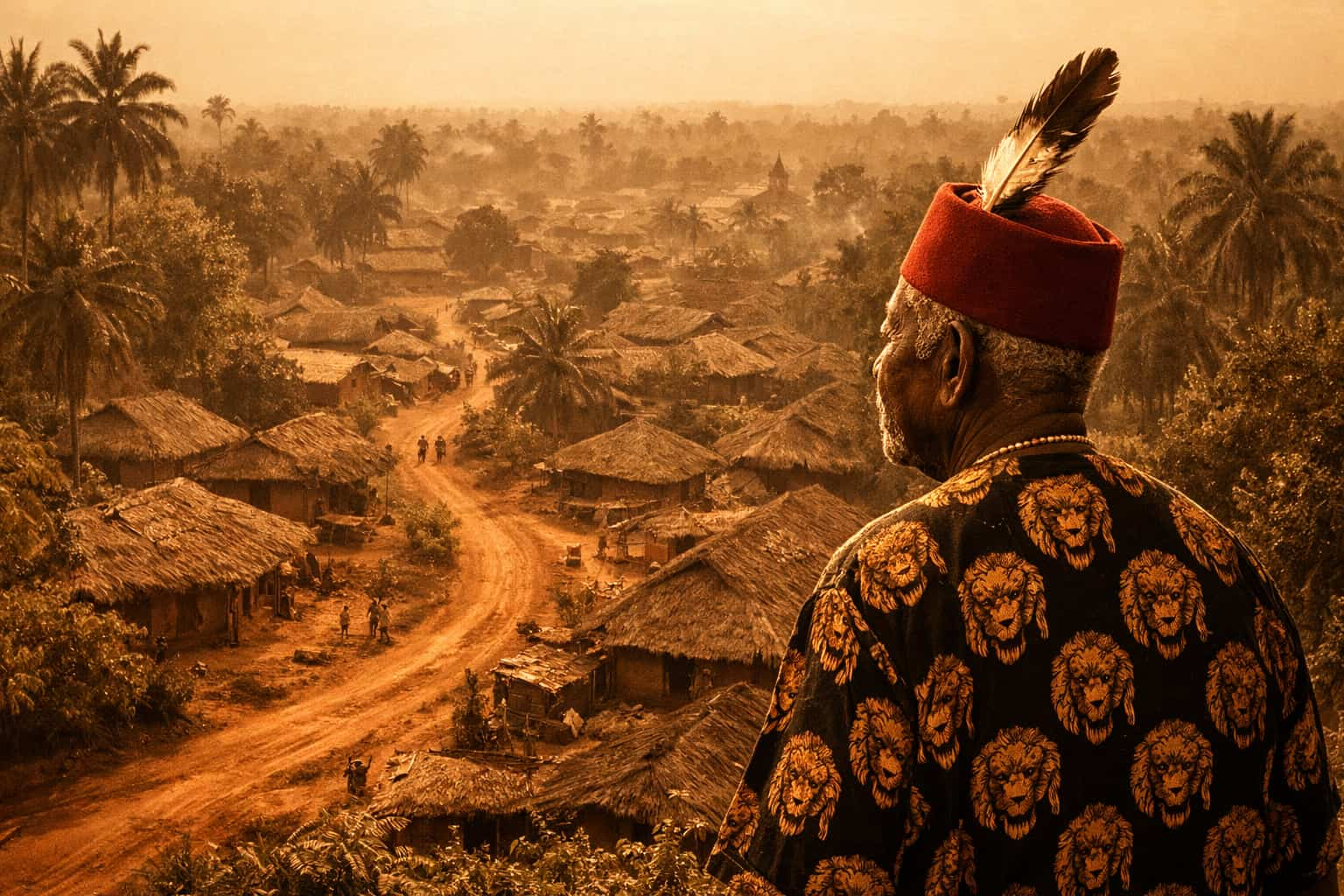
When you mention Orlu in Imo State, many people immediately think of the busy motor park, the bustling market, or the rush of people heading home during Christmas. It’s a major hub in the Southeast, a place where roads converge and business never sleeps.
But there’s a deeper layer to Orlu that isn’t always told in the noise of the market. It’s a story of intellect, resilience, and survival. During one of the darkest periods in Nigerian history, this town wasn’t just a refuge—it was a factory of innovation.
They called it “The Brain of Biafra.”
And if you listen closely to the elders, you’ll hear whispers of underground workshops, secret inventions, and a spirit of hard work that goes back centuries.
The Meaning of “Ọlụ”
History says Orlu is over 500 years old. But even before it was a town on the map, it was a concept.
Some oral traditions trace the name to the Igbo word “Ọlụ,” which means “work” or “labor.” It’s fitting. From the earliest days, Orlu was known for its hands—skilled blacksmiths shaping iron, farmers tilling the red earth, and traders moving goods across the region.
This wasn’t just about survival. It was about craftsmanship. And that culture of hard work would be tested in ways nobody could have imagined.
The Secret Workshops of the Biafran War
Between 1967 and 1970, the Nigerian Civil War tore through the land. Blockades were tight. Resources were scarce. Ammunition was running low. But in Orlu, something remarkable happened.
While other towns were solely focused on hiding, Orlu became a center of engineering. Local engineers, youths, and blacksmiths went underground—literally. They set up secret workshops where they fabricated weapons and medical supplies to support the war effort.
The most famous invention to come out of these hidden labs was the Ogbunigwe.
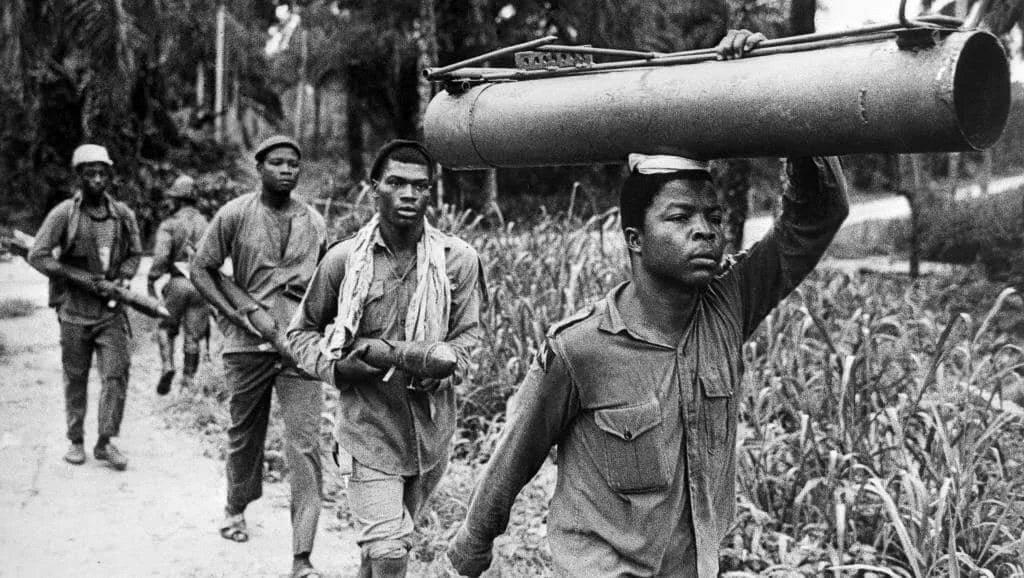
It was a homemade explosive device, designed and built right here in Orlu. It became a symbol of resistance—a way for a blockaded people to fight back using knowledge and science when conventional weapons weren’t available.
But the innovation wasn’t just about weapons. It was about survival.
Living Inside History
Here’s where the story gets personal.
History books talk about the war, but few people talk about the physical scars left on the land. Treasure Ironuma, who shared this story with Eritage, grew up knowing this history not from a textbook, but from play.
“FUN FACT: I once lived in the compound that has this bunker and it still exists till today,” Treasure told us. “We would always go inside there to explore and play and we never even got to make it to the end of the bunker!”
Imagine that. A piece of history from the 1960s, still standing beneath a modern compound, where children once played hide-and-seek in the shadows of war. It’s a reminder that the past isn’t gone; it’s just beneath our feet.
Culture and Tradition Today
Beyond the war history, Orlu remains deeply rooted in Igbo culture.
If you visit during the right season, you’ll witness the New Yam Festival, where the community thanks the earth for harvest. You’ll see the Ozo title-taking ceremonies, where men of stature are honored with red caps and eagle feathers. The Igba Nkwu (traditional marriage) ceremonies here are vibrant, filled with music and dance.
And, of course, the masquerades. Like many Igbo towns, Orlu has its secret societies and cultural displays that come out during festivals, reminding everyone of the spiritual connection between the living and the ancestors.
However, things have changed. Treasure noted that while people used to flock home for the New Yam festival, insecurity in recent years has shifted that trend. Now, the biggest returnee rush happens during Christmas and New Year. The town swells with people coming home to celebrate, reconnect, and remember.
Leaders Who Shaped the Town
You can’t talk about Orlu without mentioning the figures who held it together.
Two names stand out in recent history:
- Eze Patrick Acholonu (Igwe Orlu I): The first traditional ruler (Igwe) of Orlu. His reign laid the foundation for the modern Eze institution in the town, bridging the gap between colonial structures and traditional authority.
- Chief Levi Njoku: A prominent community elder and political figure who advocated for the town’s development during critical times.
Their leadership helped steer Orlu from a collection of villages into a recognized urban center.
More Than History: A Healthcare Hub
Orlu isn’t just looking backward. It’s still serving the region today.
Home to the Imo State University Teaching Hospital (IMSUTH), Orlu is a healthcare anchor for the entire Southeast. Doctors and nurses are trained here. Patients travel from neighboring states for treatment. Just as the town once engineered weapons for survival, it now engineers health and life for the living.
It fits the name perfectly. Ọlụ. Work. Service. Labor.
Why This Story Matters
In a world where we often focus on the conflicts of the past, Orlu’s story reminds us of human ingenuity. It shows that even in the face of blockades and war, creativity doesn’t die—it adapts.
And thanks to contributors like Treasure, we know that the bunkers still exist. The history is still tangible. It’s waiting for us to remember.
📬 Want to Share Your Town’s Story?
Do you have a hidden history, a festival, or a family legend from your hometown? We want to hear it. Visit our [Submit Your Story] page and help us document Nigeria’s heritage, one town at a time.
📸 Cover Image: Conceptual illustration of Igbo heritage.
🗣️ Story Submitted by: Treasure Ironuma
✍️ Edited by the Eritage Team.