
When we talk about marriage in Nigeria, the picture in most people’s heads is usually the same: a man, a woman, a white wedding, and a big traditional ceremony. It’s what we see in Nollywood movies, what our churches preach, and what the law recognises. But if you travel deep into the heart of Kogi State, specifically among the Yagba people, you’ll discover a tradition that challenges everything we think we know about family and lineage.
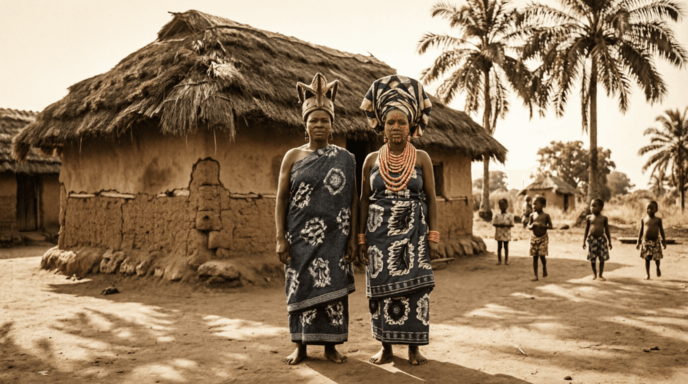
It’s not a story you hear every day. In fact, some might find it hard to believe. But it’s real, it’s old, and it’s a testament to how flexible and wise African cultures can be.
Who Are the Yagba People?
Before we dive into the tradition, let’s take a moment to understand the people behind it. The Yagba are a proud subgroup of the Yoruba nation, often referred to as the Okun people. They inhabit the Yagba East, Yagba West, and Yagba North local government areas of Kogi State.
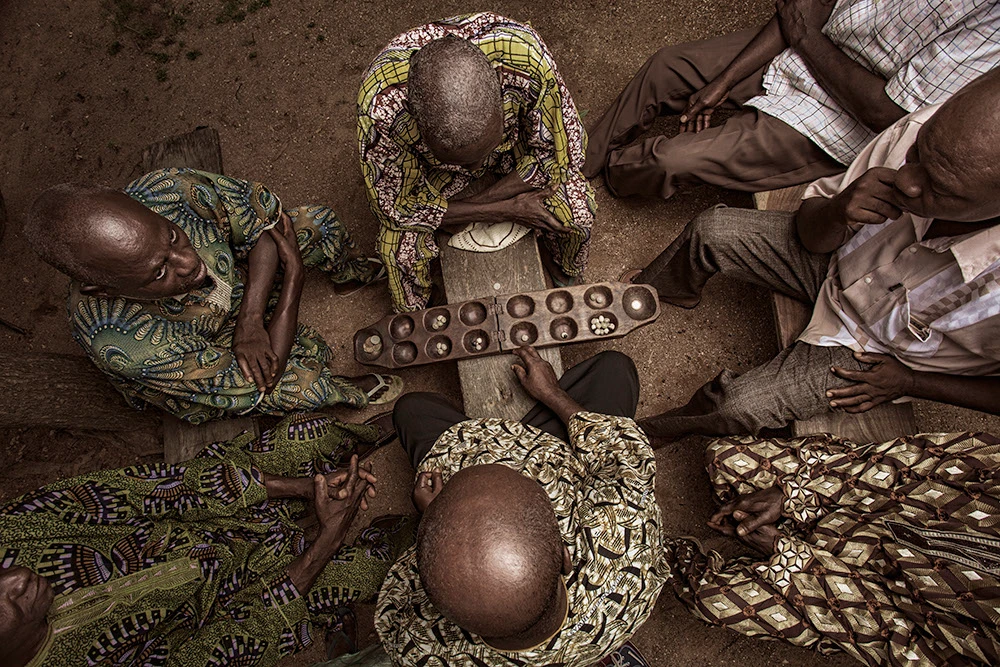
Historically, the Yagba people are known for their resilience. Sitting at a crossroads between the North and the South, they’ve absorbed influences from different cultures while holding tight to their unique identity. They are farmers, traders, and custodians of rich oral histories. Like many African societies, their social structure places a huge emphasis on lineage, land, and the continuation of the family name. And it is within this context that this unique marriage practice thrives.
The “Woman-Husband” Tradition
In Yagbaland, there exists a custom where a woman can marry another woman. Now, pause for a second. We aren’t talking about a modern same-sex relationship in the Western sense. This is a socio-cultural institution that has existed for generations.
Here’s the scenario: Imagine a woman who has achieved great success in her life. She is wealthy, respected in the community, and perhaps holds a chieftaincy title. But there is one thing missing—she has no children. In traditional African society, children are not just joy; they are the bridge to the ancestors and the security for old age. Without them, a woman’s lineage might end, and her property could be scattered among distant relatives when she passes.
To solve this, she can choose to become a “woman-husband.”
How It Works
The process mirrors a standard traditional marriage. The woman-husband pays the bride price to the parents of the bride. There are negotiations, lists are checked, and a ceremony is held. The community witnesses it, and the union is blessed by the elders.
Once married, the woman-husband takes on the role of the head of the household. She provides the money for food, school fees, and upkeep. She is the “father” in the social sense, carrying the responsibility and authority that comes with it. The woman she marries is recognized as her wife.
But the big question everyone asks is: How do they have children?
This is where the wisdom of the tradition comes in. The woman-husband gives her wife permission to choose a man to father her children. Sometimes, the woman-husband might even select a man from her own extended family to ensure the bloodline remains close. This man is strictly a biological donor. He has no rights over the children. He cannot claim them, and they do not inherit from him.
The children belong entirely to the woman-husband and her wife. They carry the woman-husband’s name. They inherit her land and property. When the woman-husband dies, these children perform her funeral rites, just as a son would for his father.
More Than Just Biology
This tradition isn’t about romance; it’s about survival and legacy. It shows that in Yagba culture, parenthood is defined by responsibility, not just biology. If you raise the child, feed them, and secure their future, you are the parent.
It also serves as a form of social security. In times past, before pension schemes and banks, having children was the only guarantee of care in old age. This system allowed successful women to secure that future without being dependent on male relatives who might not have their best interests at heart. It kept wealth within the woman’s control and ensured her name didn’t vanish from the family tree.
Why This Matters Today
In a world that often paints African traditions as rigid or outdated, stories like this remind us of our creativity. Our ancestors faced complex social problems and designed systems to solve them. They understood that family is a structure built on care, duty, and community agreement.
Of course, modern laws and religious beliefs have changed how many people view these practices today. But understanding them helps us appreciate the depth of our history. It reminds us that there are many ways to build a home and that the definition of family has always been broader than we sometimes assume.
Preserving Our Stories
At Eritage, we believe that our culture is more than just dance and food. It’s in the systems our elders created to protect one another. When we share stories like this, we aren’t just gossiping; we are documenting wisdom. We are keeping the memory of the Yagba people and their unique customs alive for the next generation.
So, the next time you hear about marriage, remember that in some parts of Kogi State, a woman can be a husband, a father, and a lineage holder—all without changing her gender. It’s a special kind of magic that only African tradition holds.
Have you ever heard of this tradition before? Do you know of other unique cultural practices in your hometown? Let’s talk about it in the comments. Don’t forget to share this post to keep the conversation going..

1 comment
Greate strory!